
For many parents, the idea of taking a baby or toddler to the dentist feels unnecessary—or even unrealistic. After all, baby teeth will fall out, and many children seem fine until they start school. This assumption is understandable, but it is also one of the main reasons early dental problems go unnoticed until they become difficult to treat.

Modern pediatric dentistry is clear and consistent on this point: a child should see a dentist by their first birthday, or within six months of the first tooth erupting. This recommendation is supported by pediatric dental associations worldwide and is based on decades of research into early childhood oral health.
Why Age One Matters
The American Academy of Pediatric Dentistry, the European Academy of Paediatric Dentistry, and the British Society of Paediatric Dentistry all recommend a first dental visit by age one.
Early childhood caries is the most common chronic disease in children worldwide. A large review published in Caries Research reported that more than 500 million children globally are affected. In many cases, the first signs of damage appear before the age of three.
Waiting until permanent teeth erupt often means the disease process has already begun.

Baby Teeth are Not "Practice Teeth"
One of the most persistent misconceptions is that baby teeth are less important because they will be replaced. In reality, baby teeth:
- Guide jaw growth
- Support chewing and nutrition
- Play a role in speech development
- Hold space for permanent teeth
- Influence facial development
When baby teeth are lost too early due to decay, surrounding teeth drift. A study in the International Journal of Paediatric Dentistry showed that children who lose baby teeth prematurely areup to three times more likely to require orthodontic treatment later.
Why Decay Stays Early
Baby teeth have thinner enamel than adult teeth. Combined with frequent sugar exposure, decay can progress rapidly.
Common risk factors include:
- Nighttime bottle feeding
- Frequent snacking
- Juice or sweetened milk in bottles
- Prolonged on-demand feeding without cleaning
- Delayed brushing
- Lack of fluoride exposure
ing sleep, saliva flow drops, leaving sugars on teeth for hours. Studies from the CDC show that children who sleep with bottles have several times higher risk of severe decay.

What Happens at the First Dental Visit
The first visit is preventive and educational—not invasive.Typically, it includes:
- Gentle visual examination
- Assessment of eruption pattern
- Checking for early enamel changes
- Discussion of feeding habits
- Brushing technique demonstration
- Fluoride guidance
- Injury prevention advice
Often the child sits on a parent's lap. The focus is comfort, familiarity, and trust.
Building Positve Dental Experiences
Children who start dental visits early tend to have:
- Lower dental anxiety
- Better cooperation
- Fewer emergency visits
- Better oral hygiene habits later
- A study in Community Dentistry and Oral Epidemiology found that
Children whose first visit occurred before age two showed significantly lower fear as teenagers.

Feeding Habits Parents Often Miss
Many cavity-causing habits are well intentioned:
- Switching from bottle to juice "for vitamins"
- Frequent snacking marketed as healthy
- Sweetened pacifiers or comfort feeding
- Prolonged nighttime feeding
Dentists focus on timing, frequency, and cleaning—not simply banning foods.
Fluoride: Clearing The Confusion
Fluoride remains one of the most studied preventive tools in dentistry. According to WHO and ADA data, appropriate fluoride use reduces cavity risk by 20–40 percent.
Safe use depends on dose:
- Rice-grain amount under age three
- Pea-sized amount after age three
Early dental visits help parents get accurate guidance rather than misinformation

Long-term Impact of Early Prevention
Children who receive preventive care early:
- Have fewer cavities
- Require fewer fillings
- Develop healthier habits
- Experience less dental fear
- Need less complex treatment as adults
From both a health and financial perspective, early care is more effective.
Take-home Message
The first dental visit is not about treating problems—it is about preventing them.Starting dental care by age one protects baby teeth, supports healthy development, reduces fear, and saves stress and cost later.
A healthy smile begins far earlier than most parents expect.
Meet Our Dental Team at Parkway
Dr. Nikola Urosevic, DMD, MSc, DICOI
Chief Dentist | ~25 Years
Language: English, Mandarin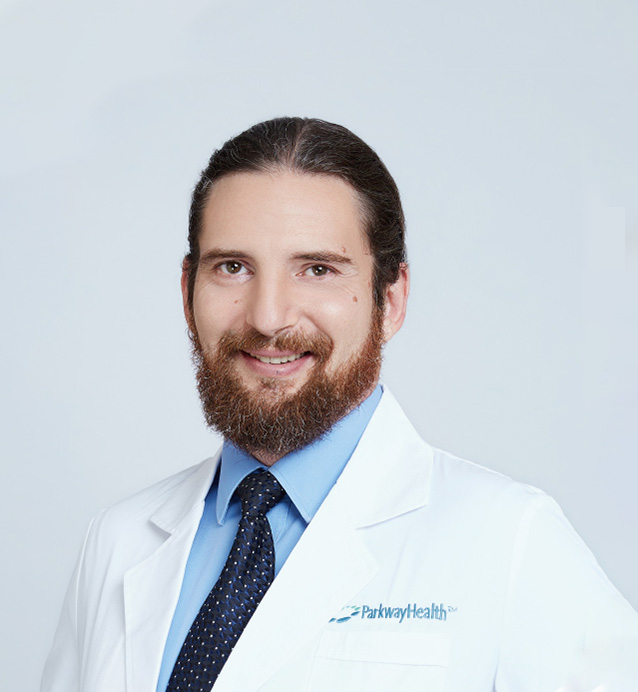
- Oral surgery — wisdom teeth, complicated extractions
- Dental implants, full-arch rehabilitation, bone grafting & sinus lift
- Regenerative procedures (PRF/CGF), smile makeovers
- DMD + MSc in Oral Implantology; Diplomate of International Congress of Oral Implantologists
Department: Dentistry
Work Location: Parkway MediCentre Xintiandi
Make an appointment directly through below QR Code
Dr. Haifeng Jia
Dentist | 20+ Years
Language: English, Mandarin
- General & cosmetic dentistry — adults & children
- Root canal therapy, periodontal care
- Porcelain veneers, all-ceramic crowns, teeth whitening
Graduated from Shanghai Jiao Tong University; specialized training at Peking University
Department: Dentistry
Work Location: Parkway MediCentre Xintiandi
Make an appointment directly through below QR Code
Dr. Honghua Jin
Dentist | 30+ Years
Language: English, Mandarin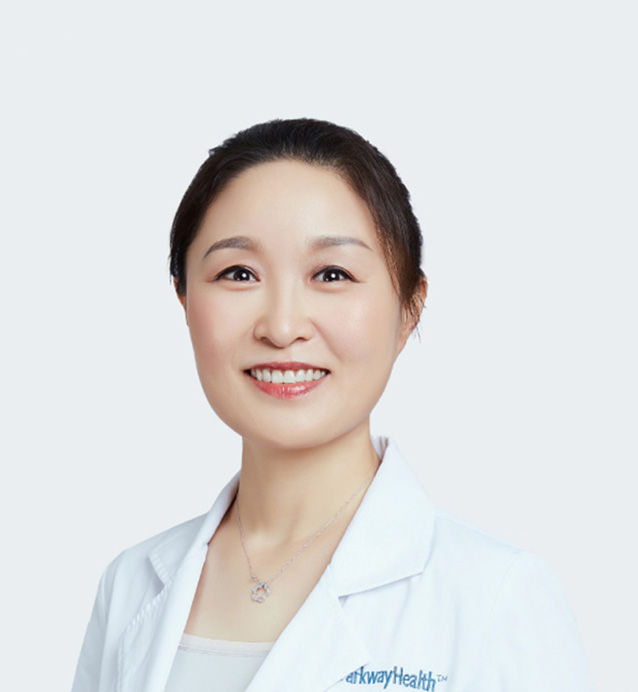
- Adult & pediatric dentistry, periodontics, restorative & orthodontic care
- Advanced training in Atlanta, USA; AAO conference participant
- Graduated from Jilin Dental School (China)
Department: Dentistry
Location: Parkway MediCentre Xintiandi
Make an appointment directly through below QR Code
Dr. Yee-Jae Yoon (윤이재)
Dentist | 10+ Years
Language: English, Korean, Mandarin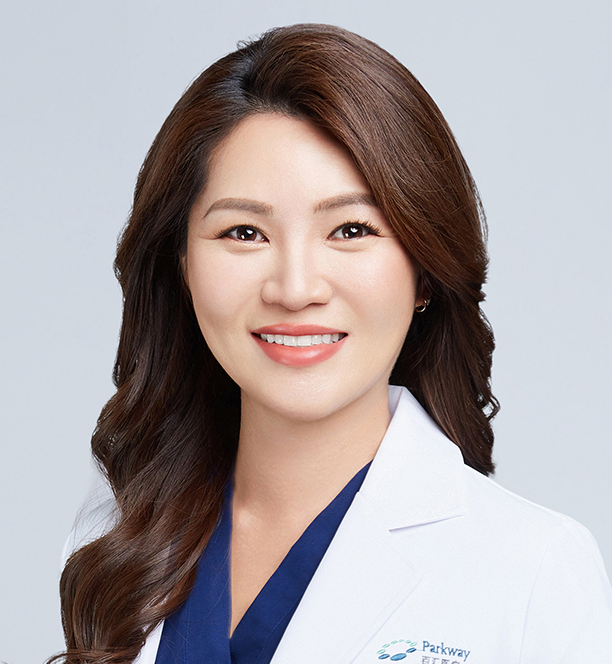
- General dentistry — fillings, root canals, crowns, periodontal therapy
- Pediatric dental care
- Removable & partial dentures
- Graduated from Shanghai Jiao Tong University; trained at Ninth People's Hospital
Department: Dentistry
Location: Parkway MediCentre Xintiandi
Make an appointment directly through below QR Code
Dr. Nicole Xu
Dentist | 20+ Years | Certified Invisalign Provider
Language: English, Mandarin
- Preventive care, periodontal scaling & maintenance
- Restorative procedures — inlays, crowns, veneersPediatric dentistry & early occlusal guidance for children
Department: Dentistry
Location: Parkway MediCentre Xintiandi
Make an appointment directly through below QR Code
For more doctors profiles, click here
Our Network In Shanghai

For inquiries about our services or to make an appointment, please call us at 400-819-6622.
Selected References:
- American Academy of Pediatric Dentistry (AAPD) Guidelines
Caries Research
-International Journal of Paediatric Dentistry
-Community Dentistry and Oral Epidemiology
-CDC Oral Health Data
-Official Educational Article from the American Association of Orthodontists (AAO)