Suitcases unpacked, a backpack slung over one shoulder, Dale walks along the Bund with a calm, almost casual smile. At 58, he's back in the city that gave him a second chance—a city he first visited in 2024 under far less hopeful circumstances.
When Dale was diagnosed with stage 4B lymphoma at 55, his world narrowed. Three chemotherapy regimens in New Zealand failed, and palliative care was offered as the only next step. "It was a huge shock," he says. "I felt like I had a lot of life left in me. I couldn't just accept that."
Through a network of contacts, Dale learned about CAR-T therapy—and Shanghai. Video consultations with several hospitals led him to one decision: SinoUnited Health, and its industry-leading CAR-T program, a program renowned for its expertise, personalized approach, and track record of success in treating advanced hematological malignancies.

Finding the Right Care
The first meeting with the hematology team at SinoUnited was decisive. Dale recalls it as a moment of clarity. "The doctor felt like I was important," he says. "Professional, caring, compassionate. They explained things in a way I could understand, and kept me involved from start to finish. It was an easy decision."
At SinoUnited Health, patients are never just a number. Each case is analyzed in detail, with a globally coordinated approach to treatment. International patients like Dale are supported at every step—from visas to logistics—so they can focus on recovery. It's a level of care designed for people traveling across the world to put their health in someone else's hands.
Behind that first impression is a larger system. SinoUnited Health has built a dedicated CAR-T program around a multidisciplinary team, bringing together specialists across departments to manage each case from different angles. The team is led by Medical President Dr. Shen Hua, with Dr. Lily Zhou working closely across units to coordinate treatment, monitoring, and response. They also collaborate with external experts when needed, developing personalized plans and handling the kind of complexities that come with CAR-T—especially for patients traveling from abroad.

A Treatment That Worked
CAR-T isn't something most people come across until they need it. In simple terms, it's a form of personalized immunotherapy: doctors take a patient's own T cells, reprogram them in a lab to better recognize cancer, and then infuse them back into the body to target and destroy tumor cells.
It's typically used in certain blood cancers—often after other treatments have failed—and it's not suitable for every patient. But for people like Dale, who had already gone through multiple rounds of chemotherapy without success, it offered a different path forward.
Dale arrived in Shanghai in July 2024 for T-cell harvesting and bridging treatment. By September, he had his CAR-T infusion. "By the time I had the infusion, I was already showing signs of being clear of cancer," he says. Four clean scans later, and 14 months post-treatment, he's back, walking the streets, stretching, hiking, fishing, and traveling—essentially living the life he feared he'd lost.
Recovery wasn't instant. Blood levels fluctuated, energy was low, and months of monitoring and transfusions followed. But Dale's physical state is now comparable to pre-cancer levels. "It's fantastic," he says. "Getting a second chance makes you acutely aware of life."

Returning to Give Back
Dale's journey didn't end with recovery. In 2025, he returned to Shanghai to speak at the SinoUnited Health International Medical Forum, sharing his story with other patients. "Doctors talk graphs and statistics," he says. "For a patient, it's extremely real. If I can help someone make that decision—get treatment sooner, avoid complications—it could save their life."
Watching Dale speak, Dr. Lily Zhou frames it less as an individual success and more as what the SinoUnited Health approach is built for. Cases like his, she suggests, show how CAR-T treatment—when backed by coordinated expertise and patient-centered care—can offer a reliable option for people who have run out of alternatives. It's also part of a broader shift, with China playing an increasingly visible role in the global development of CAR-T therapy.

Advice for Future Patients
Dale is candid about hindsight. "I didn't do much research up front. Had I come to CAR-T earlier, it would have been less painful physically and financially. The earlier you act, the better your chances."
His advice is practical, grounded, and human. Trust the team, understand your options, and don't delay. For Dale, SinoUnited Health wasn't just a place for cutting-edge treatment—it became a place to reclaim life.


Why Shanghai? Why SinoUnited Health?
It's not miracles patients fly across the globe for—it's trust, clarity, and care at every step. SinoUnited Health provides both medical expertise and the human touch that makes patients like Dale feel confident in difficult choices. The result: a growing number of international patients choosing Shanghai, confident they'll be guided, supported, and cared for every step of the way.
That confidence is reflected in the number of patients making the trip. To date, SinoUnited Health has received inquiries from over 100 overseas patients and treated more than 30 CAR-T cases from countries including New Zealand, the UK, Germany, France, Canada, and Singapore.
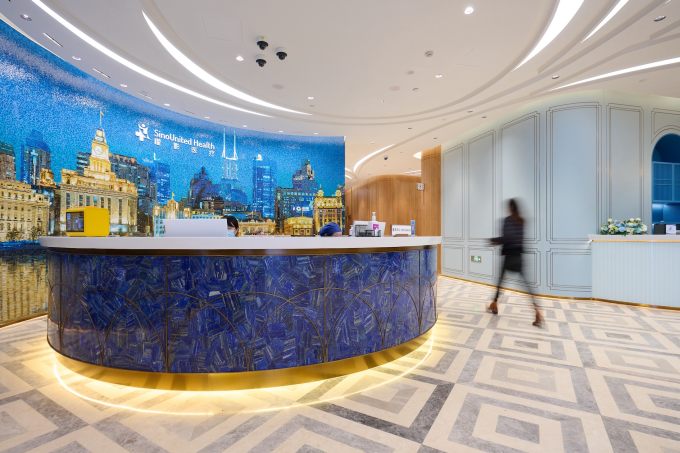
Established in 2016 in Shanghai, SinoUnited Health is a private healthcare provider with a growing network across the Yangtze River Delta. Its approach combines evidence-based medicine with a patient-first mindset, supported by an international team and a care model that brings general practitioners and specialists together—aiming to give patients clear, coordinated options rather than fragmented decisions.
For Dale, a simple walk along the Bund says it all: he's alive, thriving, and living the life he almost lost.
For more information about SinoUnited Health's international services or CAR-T program, contact the team at internationalcare@suh.cn